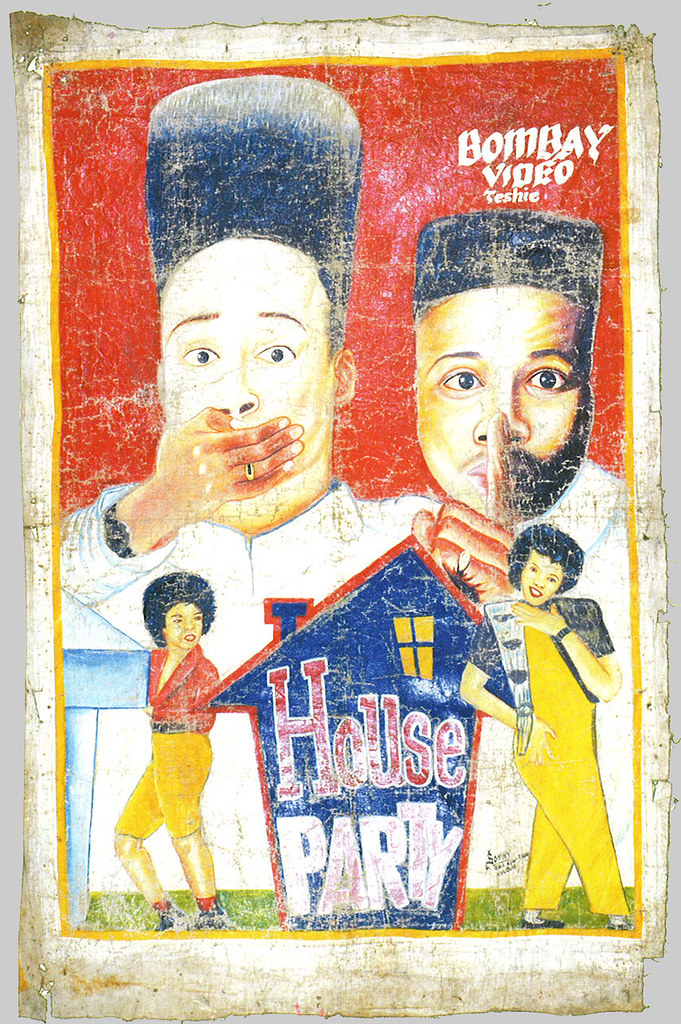
To close out this Black History column, I want to shed light on films that are made by Black people, for Black people, that don’t attempt to evaluate social problems or trauma that Black people have faced. The conversation around Black led films is always one of representation and image reinforcement, but Black artists and entertainers exist exuberantly outside of this bubble.
Reginald Hudlin’s 1990 film “House Party” tells the story of a group of black teenagers who go to the same school and hang out together, chronicling their loves and rivalries and a party that one of the kids is having at his house. The film premiered at the Sundance Film Festival, where it won the Cinematography Award for Peter Deming and a Filmmakers Trophy for Hudlin.
Black history is not singularly defined by resilience and overcoming struggles. Black history is the culmination of music, innovation, joy, scholarship, poetry and so much more. Black films are comedic, lighthearted, fun, adventurous, exciting, comforting and intelligent. The teenagers in “House Party” do not represent anything other than themselves and stories like these are just as necessary as ones that are easily sensationalized.
The films listed below represent stories with that same intention in mind, where being Black is not defined by its relation to whiteness or trauma:
-
“Black Panther”
-
“Coming to America”
-
“Friday”
-
“How Stella Got Her Groove Back”
-
“Spider-Man: Into the Spiderverse”
-
“One of Them Days”
-
“Little”
-
“Us”
-
“King Richard”
-
“Love & Basketball”