Venezuelan president arrested
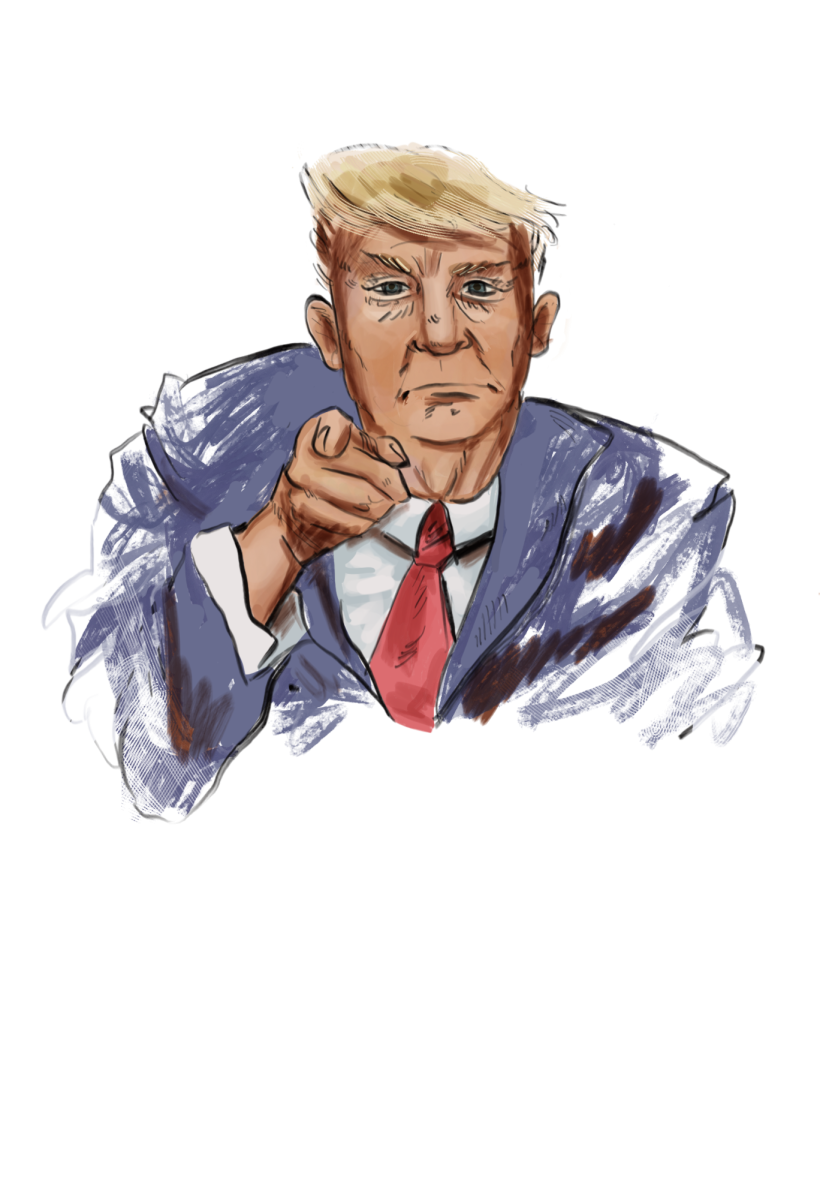
Months after growing military pressure on Venezuelan President Nicolas Maduro, President Trump ordered a military operation in South America to capture its leader and bring him to the US to stand trial in Manhattan for drug trafficking charges. On Jan. 4, Trump announced that following Maduro’s arrest, the US would be in charge of Venezuela, according to The New York Times (NYT). While Trump did not provide any details, he appeared to be referring to gaining control over the Venezuelan government. The current acting leader of Venezuela, Vice President Delcy Rodriguez, noted on Sunday, Jan. 4, that her people needed peace, not war, according to the NYT. On the same day, Trump requested from Ms. Rodriguez that the US needs total access to the oil and other things in their country that will allow the US to rebuild Venezuela. During the trial in Manhattan on Monday, Jan. 5, Maduro protested his capture and pleaded not guilty to the federal drug trafficking charges that the Trump administration used to justify removing him from power in Venezuela.
Protest in Iran
As of Jan. 10, protesters have taken to the streets, spreading from the markets and universities of major cities to the impoverished towns in the hinterland, killing dozens, according to the NYT. The protest comes at a risky time for Iran’s authoritarian government, as it is already weakened by international foes. For more than a decade, Iranians have taken to the streets against their theocratic rulers, where in all of those movements, security forces have responded with brutal shutdowns. Several protesters anonymously reported to the NYT that these protests are felt to be more dangerous to the Islamic Republic, as today’s protests, spurred by economic pain, have brought the poor and middle class alike to the streets. Beyond its borders, the once-powerful network of anti-Western forces has seen its regional power rapidly diminish over the past two years as Israel eliminated its regional allies.
Trump eyes Greenland
As Trump eyes Greenland, European officials believe the best course of action is a negotiation. Initially, European officials were stunned as Trump restated his desire to attain Greenland after a yearlong effort to dissuade him, according to the NYT. Upon hearing the news, Denmark’s prime minister, Mette Frederiksen, and leaders across Europe were shocked at the threats of violence from their American allies. Stephan Miller, one of Trump’s aides, was asked to rule out the use of military force to seize Greenland, to which he refused. According to the NYT, Mr. Miller questioned Greenland’s status, ignoring its ties to Denmark, and mocked the idea that Europe could stand up to American troops in the instance of a takeover.